

26 Aug 2026 Harvest is Underway!
2026 Harvest is under way
One thing I’ve come to realize after all these years of making wine is that harvest is about a lot more than grapes.
Those of us in the wine industry can become incredibly focused on the vineyards—watching the weather, walking rows, tasting fruit, checking numbers, and trying to pick each vineyard at exactly the right moment. Working with around 12 different vineyards, that alone becomes a pretty complicated logistical puzzle every year.
But at the same time, life outside the winery doesn’t stop just because harvest begins.
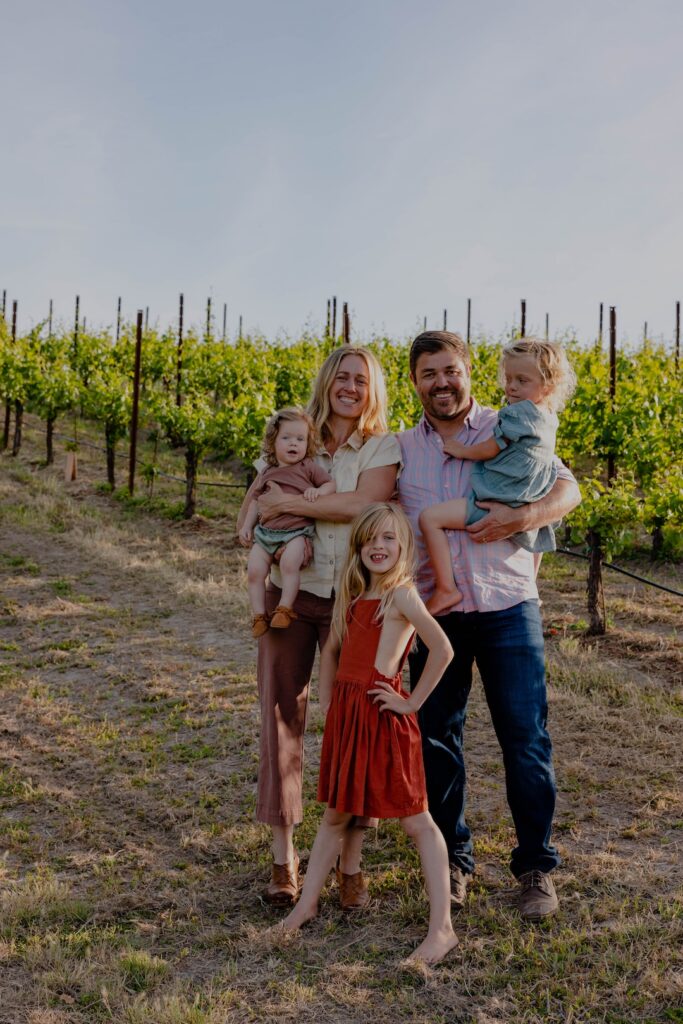
Harvest also happens to coincide with the kids going back to school, new schedules, practices, drop-offs and pickups, and trying to settle back into some kind of family routine. Lily and I are both working full time, so there is a constant juggling act of figuring out who needs to be where, who’s picking up which kid, and how we’re going to make everything work when the grapes inevitably decide they’re ready at the least convenient time.
At this point in my winemaking career, I sometimes joke that actually making the wine has become the easy part. It’s balancing the vineyards, the winery, our relationships, and being present for our family that can be the real challenge of harvest.
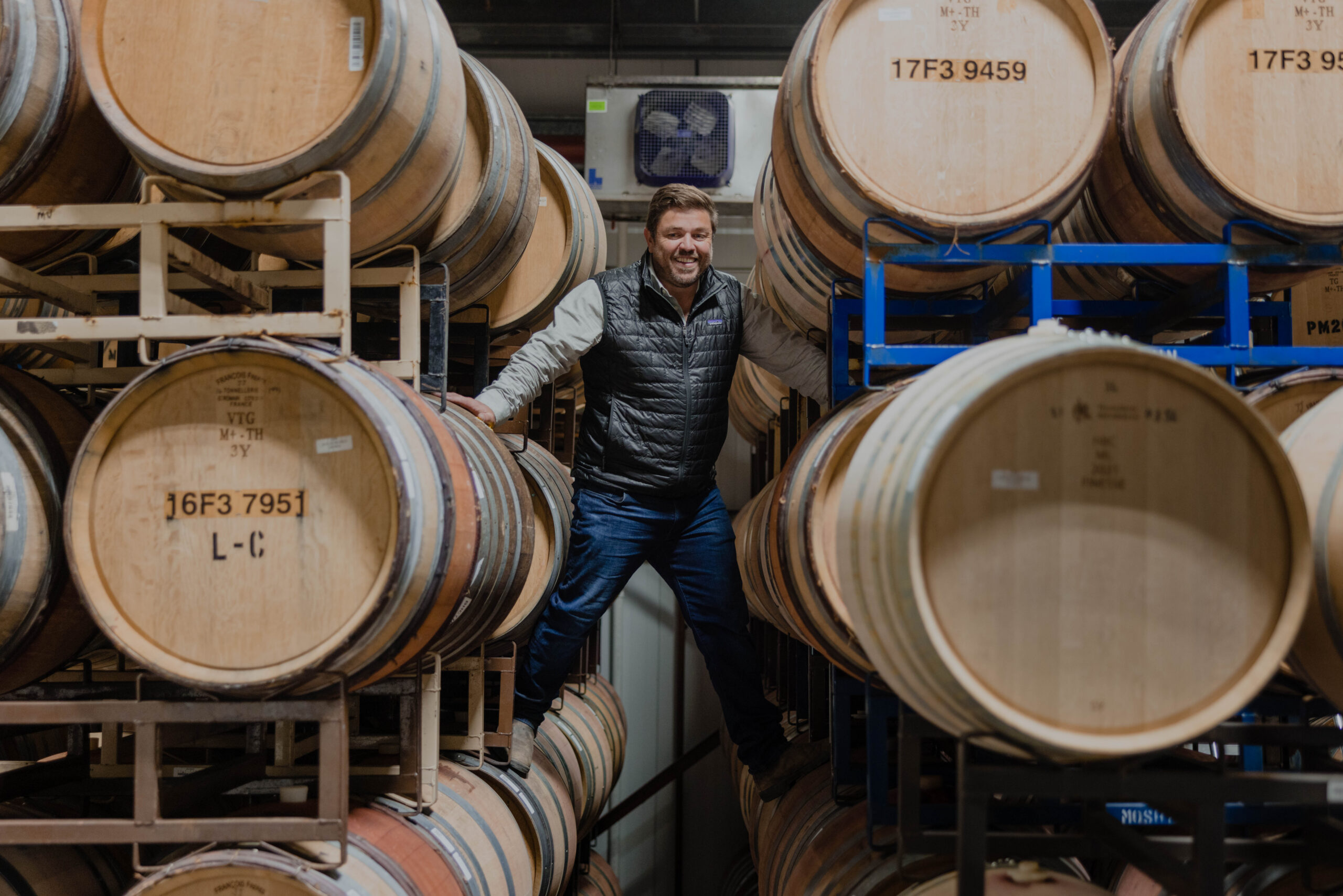
But I think that’s also part of what makes this time of year so meaningful. Harvest is intense and exhausting, but it’s a season. For a couple of months, everything gets turned upside down, we figure it out together, and somehow another vintage finds its way into barrel.
And then, just as quickly as it begins, harvest starts to wind down. The bins are cleaned, the equipment is put away, and the vineyards become quiet again. There is finally a little more room to breathe, to look back on the season, and to start thinking about what all that work will become in the bottle.
That’s one of the things I love most about wine. Every vintage carries the story of the vineyards, the weather, the decisions we made, and the people who helped get us through it. But it also carries the story of everything happening around the winery—the early mornings, the long days, the family logistics, the missed dinners, the shared meals, and the small moments that somehow make the whole season work.
Harvest is never just about making wine. It’s about finding a way to keep showing up for the work, for the people around us, and for the life we’re building outside the cellar. And when the wines are finally ready to share, they feel like a reflection of all of it.
But as always, Mother Nature has found a way to keep us on our toes…
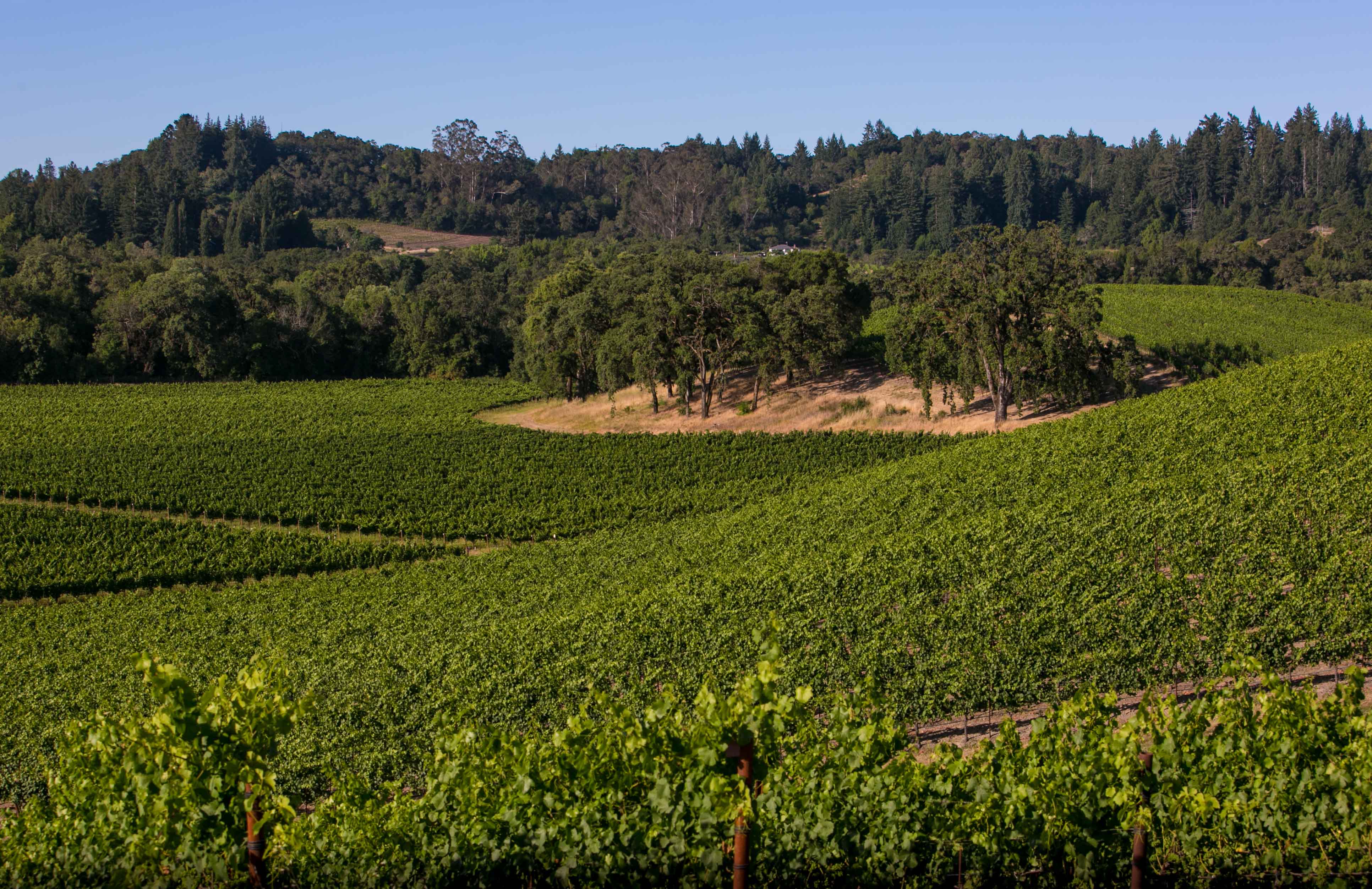
The 2026 growing season began with an extremely early bud break in both the Russian River Valley and Humboldt County, followed by a consistently warm spring and summer. For much of the season, it looked as though we might be headed toward one of the earliest harvests on record. In fact, we picked our first Pinot Noir for rosé on August 1, while a handful of wineries in warmer parts of the Russian River Valley had already begun picking in July.
Fortunately, many of the vineyards we work with sit in the cooler reaches of the region, and the fruit simply wasn’t ready yet.
Then, during the first week of August, the fog returned.
After a long stretch of warm, clear mornings, that return of our coastal influence changed the pace of the vintage almost overnight. Ripening slowed, and we were able to leave much of the fruit hanging for another two and a half weeks.
That is really what makes the Russian River Valley so special. Our cool, foggy coastal environment can give us a long window around fruit maturity. Sugars accumulate more slowly, the grapes retain their natural acidity, and flavors have time to develop without having to rush the decision to pick.
We’ve brought in some Chardonnay and a little Pinot Noir so far, and we’re very excited about what we’re seeing. The crop, however, is quite small.
Some vineyards throughout the Russian River Valley are down 40–50%, and a few are considerably lighter. Panther Ridge Vineyard in the Petaluma Gap is perhaps the most dramatic example. The seven-acre vineyard normally produces around 16 tons of fruit; this year, it yielded just two tons. Unfortunately, there simply wasn’t enough fruit for us to make a 2026 Panther Ridge Pinot Noir.
Every vintage seems to throw us a curveball somewhere along the way. That’s farming. But the fruit we do have looks beautiful, and I think 2026 has the potential to produce some fantastic wines.
Cheers!
Adrian